
Timber windows and doors are designed to provide many years of performance and beauty, but like all natural materials, they benefit from regular care and maintenance.
With a few simple steps, you can help preserve the appearance and lifespan of your timber joinery for years to come.
Factory Applied Paint & Stain Finishes
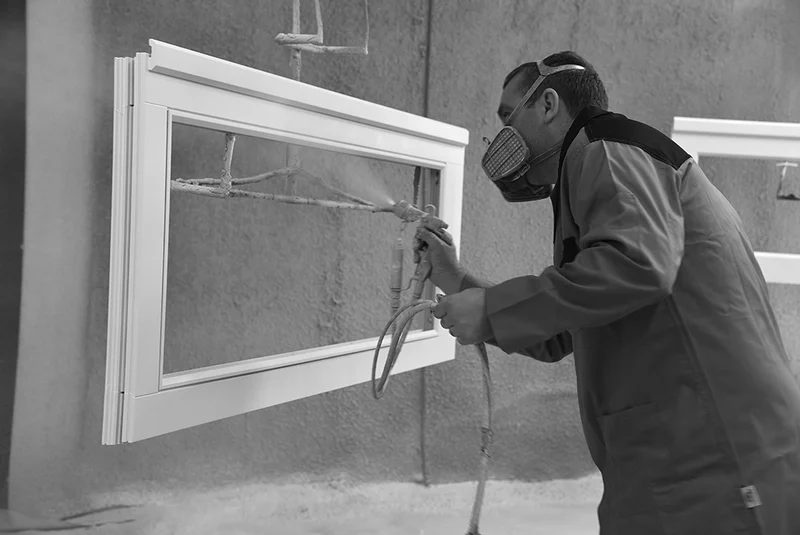
Your timber windows and doors are factory finished using a high-performance microporous coating system. Each product receives a base coat primer followed by two finishing coats of either paint or stain.
Under normal conditions, this protective system can last:
- Up to 12 years for painted finishes
- Up to 6 years for stained finishes
- Approximately 1 year externally for stained oak products

The lifespan of the coating will vary depending on factors such as exposure to weather, building elevation, coastal environments, and direct sunlight.

Routine Cleaning
& Maintenance
To maintain the integrity of the paint or stain finish, timber windows and doors should be cleaned at least twice a year. In coastal areas, heavily polluted environments, or north-facing elevations, more frequent cleaning may be required.
Routine cleaning helps remove:

Dirt and Dust

Insects and
airborne contaminants

Algae and
fungal spores
These contaminants can damage the coating over time if left
untreated.
 Pressure washers
Areas That Need Extra Attention
The lower sections of windows and external cills are the most exposed to weathering and moisture. Rainwater naturally collects in these areas, making them more vulnerable to coating wear.
During cleaning, inspect for:
Caring for North-Facing Windows
North-facing elevations tend to remain colder and damper for longer periods, creating ideal conditions for algae and mould growth. If left untreated, fungal growth can affect the coating system and potentially lead to loss of adhesion or coating failure.
Removing Algae & Mould
1
Mix a solution of:
- 1 part household bleach
- 2 parts water
2
Apply the solution to
the affected area.
3
Leave it for approximately
20 minutes.
4
Rinse thoroughly with
clean water.
5
Dry with a clean cloth.

This process may need to be repeated periodically depending on environmental conditions and the speed of regrowth.
Areas That Need Extra Attention
With regular cleaning, routine inspections, and prompt attention to minor wear, your timber windows and doors will continue to perform beautifully for many years.
A little ongoing care helps protect both the appearance and structural integrity of your timber joinery – ensuring it remains an attractive feature of your home for the long term.